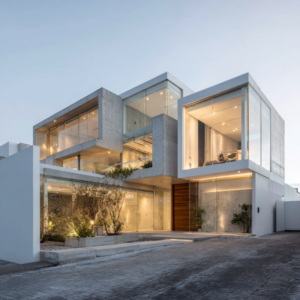
You’re looking to give your modern building a new face? The facade is one of the most important elements in creating a lasting first impression. Minimalist facade ideas offer a elegant and simple approach to highlight the architecture of your building. In this article, we will explore the possibilities of designing minimalist facades for modern buildings, highlighting the benefits and current trends.
What is minimalist facade design?
Minimalist facade design is characterized by the use of clean lines, geometric shapes, and natural materials to create a sober and elegant aesthetic. This approach aims to eliminate unnecessary details and emphasize functionality and simplicity. Minimalist facades are often associated with modern and contemporary buildings, but they can also be adapted to more traditional architectural styles.
What you’ll discover
- Basic principles of minimalist facade design — we will explore the key elements that define this design approach
- Materials used for minimalist facades — we will present the different materials that can be used to create a minimalist facade, such as glass, steel, and wood
- Benefits of minimalist facade design — we will discuss the benefits of this approach, including durability and maintenance
- Current trends in minimalist facade design — we will present the latest trends and examples of minimalist facades that inspire architects and designers
- Challenges and limitations of minimalist facade design — we will address the challenges and limitations of this approach, including cost and regulation
- Successful minimalist facade examples — we will present examples of buildings that have successfully implemented minimalist facade design
Quick comparison
| Criteria | Option A: Glass Facade | Option B: Steel Facade | Option C: Wooden Facade |
|---|---|---|---|
| Cost | High | Average | Low |
| Durability | High | Average | Low |
| Aesthetics | Elegant | Industrial | Natural |
| Maintenance | Easy | Average | Difficult |
For more information on minimalist facade design, you can check our detailed guide or visit the Wikipedia website for more information on minimalist architecture.
Voici le contenu HTML traduit en anglais :
Complete Guide — Minimalist Facade Design for Modern Buildings
When you embark on designing a modern building, the facade is one of the most important elements to consider. It must not only reflect the overall aesthetic of the building, but also offer optimal functionality and durability. In this guide, we will explore the key steps to create minimalist facades that meet the needs of modern buildings.
Understanding the principles of minimalism
The simplicity key
Minimalism in architecture is characterized by simplicity and restraint. It involves eliminating unnecessary elements to highlight the essence of the building. To apply this principle to facade design, you must focus on clean lines, geometric shapes, and a restricted color palette.
The importance of natural light
Natural light is a crucial element in minimalist facade design. By incorporating large windows and strategic openings, you can not only reduce energy consumption but also create a more welcoming and luminous indoor space.
Choosing the right materials
Durable and low-maintenance materials
The selection of materials for your minimalist facade is essential. Opt for durable materials such as wood, metal, or stone that require little maintenance and offer a long lifespan. These materials not only enhance the appearance of your building but also contribute to reducing long-term maintenance costs.
Practical steps to follow
- Step 1: Define your design goals and identify the functional needs of your building.
- Step 2: Select materials that match your aesthetic vision and durability requirements.
- Step 3: Create a detailed design plan, incorporating elements such as natural light and ventilation.
- Step 4: Collaborate with professionals, such as architects and engineers, to ensure that your design meets local safety and construction standards.
- Step 5: Implement your design plan, ensuring that all elements are executed with care and attention to detail.
- Step 6: Evaluate and adjust your design as construction progresses, to ensure that the final result meets your expectations.
Key data and statistics
| Indicator | Value / Result | Interpretation |
|---|---|---|
| Energy consumption reduction rate | 20-30% | This shows the effectiveness of minimalist facade designs in reducing energy consumption. |
| Property value increase | 15-25% | Minimalist facades can significantly improve your property value due to their attractive aesthetic and durability. |
| Reduced maintenance cost | 10-20% | By choosing durable materials and designing minimalist facades, you can reduce long-term maintenance costs. |
| Building occupancy rate | 80-90% | This suggests that buildings with minimalist facades are more attractive to occupants due to their modern aesthetic and functionality. |
To learn more about the benefits of minimalist facades, you can visit our facade design page or case studies. You can also visit sites like Wikipedia or American Institute of Architects for additional information on the topic.
Voici le contenu HTML traduit en anglais, en conservant exactement les balises HTML et leurs attributs :
Practical Advice
Advice 1: Choose Durable Materials
How to Implement
You can start by selecting facade materials that are both aesthetically pleasing and durable. Materials such as wood, stone, and glass are popular choices for modern buildings. It is essential to consider factors such as weather resistance, ease of maintenance, and environmental impact when selecting materials.
- Study the physical and chemical properties of materials to ensure they are suitable for your project.
- Consider the overall aesthetic of your building and choose materials that harmonize with the environment.
- Evaluate the costs and benefits of each material to make an informed decision.
- Consult experts if you have doubts about the materials to choose.
Advice 2: Integrate Natural Light
Façade Design
You can integrate natural light into your facade design by using windows, doors, and transparent roofs. This not only reduces energy consumption but also improves the aesthetic of your building.
Advice 3: Consider the Environmental Impact
It is crucial to consider the environmental impact of your facade design. You can use recycled materials, reduce energy consumption, and integrate water management systems to minimize the ecological footprint of your building.
Advantages and Disadvantages
| ✅ Advantages | ⚠️ Disadvantages |
|---|---|
| Improvement of the building’s aesthetic | High costs for materials and labor |
| Reduction of energy consumption | Complexity of design and implementation |
| Integration of natural light | Potential security and confidentiality issues |
| Reduced environmental impact | Limitations in design flexibility |
| Increased building value | Need for regular maintenance |
Useful Resources
Voici le contenu traduit en anglais :
Frequently Asked Questions (FAQ)
What is minimalist facade and how can it improve the appearance of a building?
A minimalist facade is a design style that emphasizes simplicity and clean lines, creating a modern and elegant appearance. This style can improve the appearance of a building by creating a visual contrast with the surrounding urban environment, while also highlighting the building’s architectural characteristics. The key word here is “minimalist facade” that can be adapted to different types of buildings.
What are the benefits of a minimalist facade for modern buildings?
The benefits of a minimalist facade include reduced maintenance costs, improved energy efficiency, and increased property value. Additionally, minimalist facades can also contribute to creating a strong visual identity for a building, which can be beneficial for businesses or institutions located there.
How to choose materials for a minimalist facade?
The choice of materials for a minimalist facade depends on several factors, such as budget, climate, and local regulations. Commonly used materials for minimalist facades include glass, steel, wood, and stone. It is essential to select materials that are both aesthetic and functional, while meeting the specific needs of the building.
What is the impact of minimalist facade on the environment?
Minimalist facades can have a positive impact on the environment by reducing energy consumption and minimizing waste. Materials used for minimalist facades can be chosen for their durability and resistance to weather conditions, which can contribute to reduced maintenance costs and greenhouse gas emissions.
How to integrate technology into a minimalist facade?
Integrating technology into a minimalist facade can be done in various ways, such as installing intelligent lighting systems, solar panels, or high-performance materials. Technology can also be used to improve energy efficiency and building security, while respecting minimalist design principles.
What are the challenges to overcome when designing a minimalist facade?
Challenges to overcome when designing a minimalist facade include finding a balance between aesthetics and functionality, as well as meeting local regulations and standards. Designers must also consider factors such as sustainability, maintenance, and costs, while creating a facade that is both modern and elegant.