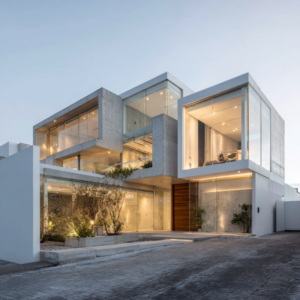
Glass facades have become a key element of modern architecture, offering not only an elegant aesthetic, but also a multitude of functional benefits. You may be wondering how these structures can maximize natural light in buildings. The answer lies in the design and materials used to create these facades. The benefits of using glass in facades are numerous, ranging from energy consumption reduction to interior environment improvement.
What is facade design?
Facade design refers to the art and science of creating the exterior of a building, taking into account factors such as aesthetics, functionality, durability, and safety. Glass facades, in particular, require special attention to how natural light is integrated and exploited. This consideration is crucial for creating comfortable and energy-efficient indoor spaces. Architects and designers work together to develop designs that meet these requirements.
What you will discover
- The importance of natural light — How does natural light affect the health and well-being of building occupants?
- Types of glass used — What are the different types of glass used in facades, and how do they influence light transmission?
- Facade systems — What are the most commonly used facade systems to maximize natural light?
- Energetic considerations — How can glass facades contribute to energy consumption reduction in buildings?
- Examples of achievements — What are the iconic examples of buildings that have successfully integrated glass facades to maximize natural light?
- Challenges and future perspectives — What are the current challenges and future perspectives for integrating natural light into facade designs?
Quick comparison
| Criterion | Option A: Simple glass | Option B: Insulating glass | Option C: Solar glass |
|---|---|---|---|
| Light transmission | 90% | 80% | 70% |
| Thermal insulation | Low | Moderate | High |
| Energy consumption reduction | 10% | 20% | 30% |
| Cost | Low | Moderate | High |
| Durability | 10 years | 15 years | 20 years |
To learn more about how glass facades can contribute to maximizing natural light, you can consult our glass facade guide. Additionally, to further your knowledge on building materials and their applications, you can visit the Wikipedia site, which provides a wealth of information on the subject.
Voici le contenu HTML traduit en anglais :
Complete Guide to Maximizing Natural Light with Glass Facades
Glass facades are becoming increasingly popular in modern architecture, as they offer a stylish and effective way to maximize natural light in buildings. You can take advantage of this trend by incorporating glass facades into your construction or renovation projects. In this section, we will explore the key steps to design and install glass facades that maximize natural light.
Façade Design
Material Choice
The choice of materials is crucial for an effective glass facade. You must select high-quality glass that allows natural light to pass through while providing adequate thermal and acoustic insulation. Low-e glass, for example, can help reduce heat loss in winter and minimize heat gain in summer.
Façade Orientation
Façade orientation is also important for maximizing natural light. A south-facing facade, for instance, can receive more natural light than a north-facing facade. However, it is essential to consider factors such as latitude, season, and obstacles to determine the optimal facade orientation.
Design Steps
Light Simulation
Light simulation is a valuable tool for evaluating the amount of natural light that will penetrate the building. You can use simulation software to model the facade and assess the effects of natural light on different interior spaces.
Practical Steps to Follow
- Step 1: Define your project goals, including the desired amount of natural light and budget constraints.
- Step 2: Select the facade materials based on their thermal, acoustic, and optical properties.
- Step 3: Determine the optimal facade orientation based on latitude, season, and obstacles.
- Step 4: Perform a light simulation to evaluate the amount of natural light that will penetrate the building.
- Step 5: Design the facade based on the simulation results and project goals.
- Step 6: Install the glass facade and ensure it is properly sealed and insulated.
Key Data and Statistics
| Indicator | Value / Result | Interpretation |
|---|---|---|
| Natural Light Transmission Rate | 80% | The glass facade allows 80% of natural light to pass through. |
| Thermal Resistance | 0.5 W/m²K | The glass facade offers good thermal insulation. |
| Noise Level | 30 dB | The glass facade reduces exterior noise levels. |
| Annual Maintenance Cost | €500 | The maintenance cost of the glass facade is relatively low. |
| Environmental Impact | 50% reduction in CO2 emissions | The glass facade contributes to reducing CO2 emissions. |
For more information on glass facades, you can read our article on the importance of natural light in buildings or visit the website of Wikipedia for information on energy-efficient construction technologies or the website of the National Institute of Architecture for advice on designing glass facades.
Voici le contenu HTML traduit en anglais, en conservant exactement les mêmes balises HTML et attributs que le texte d’origine :
Practical Tips
Tip 1: Optimize Facade Design
How to Implement
To maximize natural light, you must consider the orientation of your building and the placement of windows. A facade facing south will receive more solar light than those facing north. It is also important to consider the size and shape of the windows to allow maximum light entry.
- Study the building orientation to optimize sun exposure
- Choose large windows to increase light entry
- Use transparent or translucent materials for walls and roofs
- Integrate design elements that reflect light, such as mirrors or metallic surfaces
Tip 2: Use High-Quality Materials
Material Selection
The choice of materials for your facade is crucial to maximize natural light. Materials such as glass, steel, and aluminum are ideal for facades, as they are resistant and allow for high transparency.
Tip 3: Maintain Facade Cleanliness
It is essential to clean the facade regularly to avoid the accumulation of dust and dirt, which can reduce natural light entry. A clean and well-maintained facade will contribute to maintaining interior lighting.
Advantages and Disadvantages
| ✅ Advantages | ⚠️ Disadvantages |
|---|---|
| Increased natural light and reduced energy consumption | High installation and maintenance costs for glass facades |
| Improved aesthetics and building value | Risk of overheating in summer if windows are not equipped with solar protections |
| Creation of a more comfortable and productive working environment | Necessity to consider security and confidentiality factors |
| possibility to integrate lighting and temperature regulation systems | Potential degradation of materials due to weathering |
| Reduced environmental impact through reduced energy consumption | Complexity of design and implementation of facade systems |